The energy sector in Panama requires in-depth knowledge of regulations and regulatory processes. At Paralelaw, our energy lawyers provide full advisory services for the development, financing, and execution of energy projects at every stage.
We assist both national and foreign companies developing energy projects in Panama—from large corporations to innovative clean energy startups. We offer bilingual service for global teams.
We ensure every project complies with local and international regulations, mitigating legal, financial, and environmental risks to guarantee sustainable operations.
What incentives does Panama offer for renewable energy projects?
Panama offers an attractive incentive package for renewable energy projects under Law 45 of 2004: import duty exemptions for renewable energy equipment and materials, income tax exemptions for the initial years of operation, fiscal incentives for generation from renewable sources, and dispatch priority in the electricity market for clean energy. Additionally, Law 69 of 2012 (UREE) promotes rational and efficient energy use, incentivizing cogeneration and self-generation from renewable sources. Panama has committed to decarbonization targets that strengthen the legal certainty of these investments and signal long-term government support for the renewable energy sector.
Who regulates the energy sector in Panama?
Panama’s energy sector is regulated by two main entities: the National Authority for Public Services (ASEP), which serves as the regulatory body setting tariffs, granting concessions, and supervising service quality; and the National Energy Secretariat (SNE), which is responsible for national energy policy, sector planning, and the promotion of renewable energy. Law 6 of 1997 establishes the regulatory framework for the public electricity service and demonopolized the sector, allowing private participation in generation, transmission, and distribution under a regulated competition model.
What permits are needed to develop an energy project in Panama?
Developing an energy project in Panama requires multiple permits and authorizations: a generation concession or license from ASEP, an Environmental Impact Assessment (EIA) approved by the Ministry of Environment (MiAMBIENTE), land use and construction permits from municipal authorities, interconnection authorization to the National Interconnected System (SIN) if applicable, water use permits for hydroelectric projects (granted by MiAMBIENTE), and a state land concession if the project is on government-owned land. The complete permitting process can take 12 to 24 months depending on the project type and size. At Paralelaw, we guide energy developers through every stage of the permitting process.
What is the legal framework for solar and wind energy in Panama?
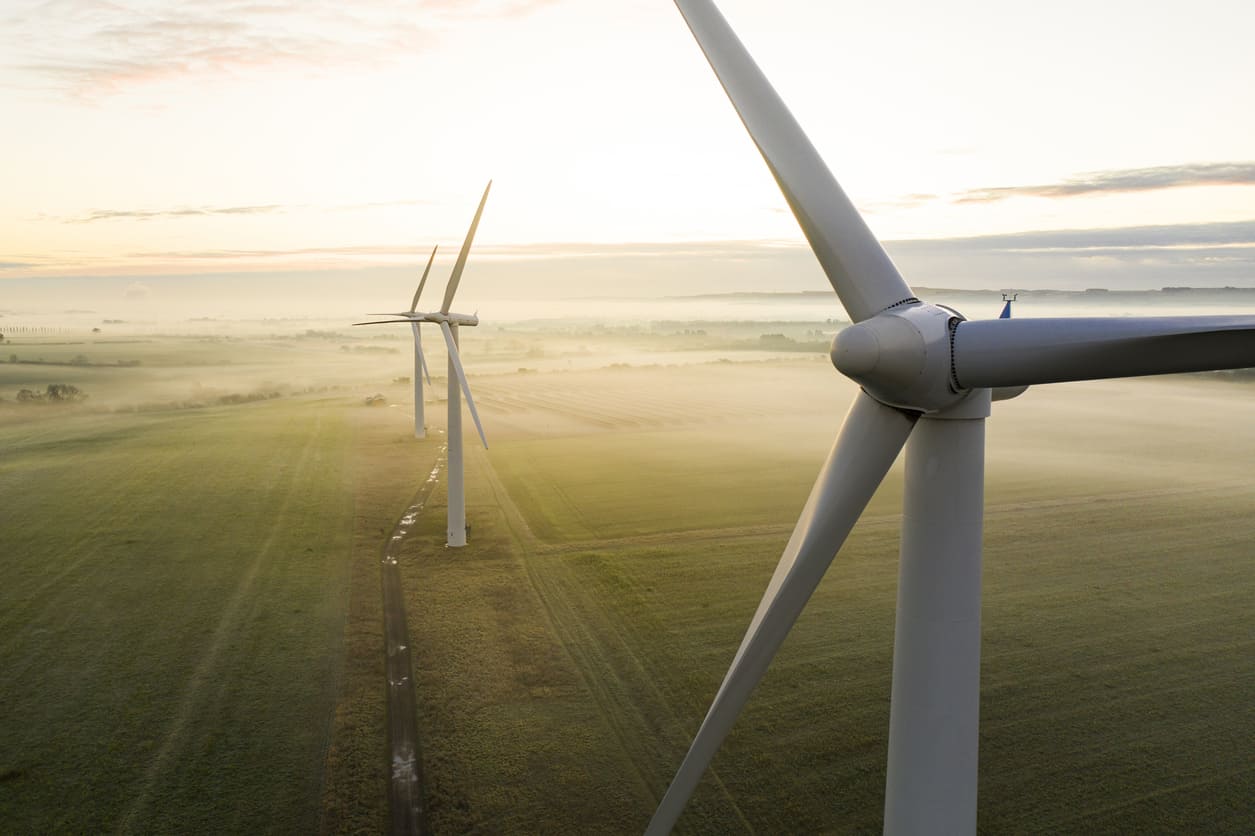
Solar and wind energy in Panama are regulated under the general framework of Law 45 of 2004 (Renewable Energy) and Law 6 of 1997 (Electricity Service). Solar and wind plants can operate under concession contracts with ASEP or through private power purchase agreements (PPAs). Self-generation projects (generation for own consumption) are regulated by Law 69 of 2012 (UREE) and can sell surplus energy to the grid under net metering schemes. Panama has significant solar and wind resources, particularly in the provinces of Coclé, Los Santos, and Chiriquí, which have attracted growing private investment in recent years.
What is the UREE Law and how does it affect businesses?
Law 69 of 2012, known as the Law on Rational and Efficient Use of Energy (UREE), establishes the framework for promoting energy efficiency and renewable energy use in Panama. For businesses, this law means: the ability to install self-generation systems using renewable sources and sell surplus energy to the grid, incentives for implementing energy efficiency measures, mandatory energy audits for large consumers, and the promotion of cogeneration. Companies that implement energy efficiency programs can access tax benefits and preferential rates for their energy surplus. The UREE Law is a key tool for businesses looking to reduce energy costs while contributing to Panama’s sustainability goals.
Get a Quote
We have a committed team, always ready to provide a quick and effective response to any problem.
Related Services
Discover other services that may be of interest to you. Our team of lawyers in Panama is ready to advise you at every step of the process.