
Cada año, miles de latinoamericanos toman la decisión de iniciar una nueva vida en Panamá. Colombianos buscando estabilidad económica, venezolanos reconstruyendo su futuro profesional, argentinos protegiéndose de la volatilidad cambiaria, mexicanos diversificando su base de operaciones. Las motivaciones varían, pero la pregunta es la misma: ¿por dónde empiezo y qué necesito hacer legalmente?
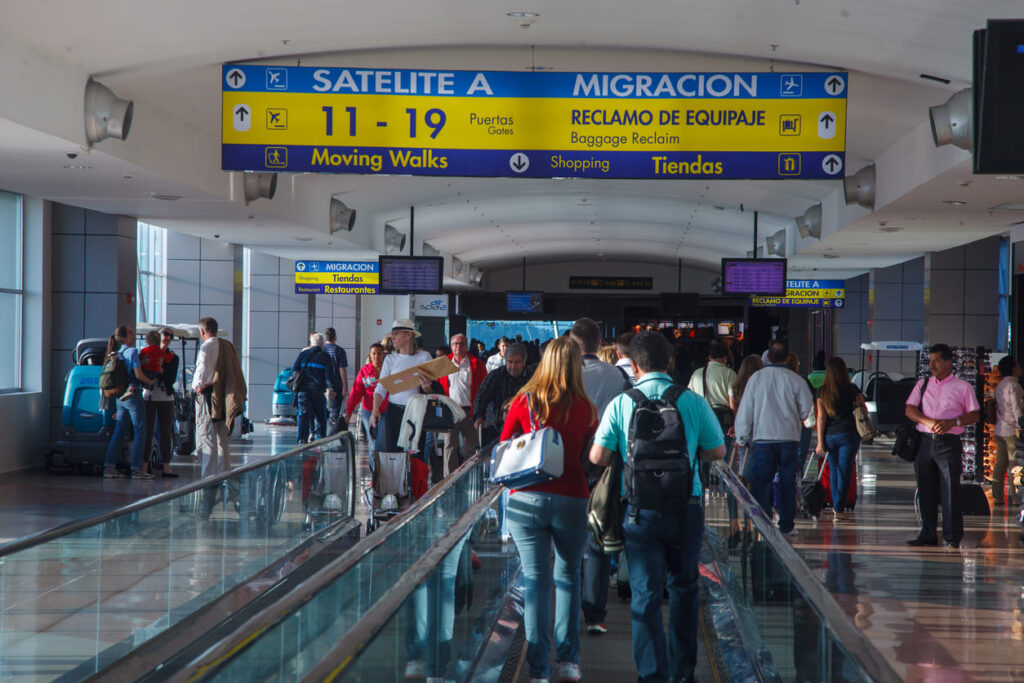
Mudarse a otro país no es solo comprar un boleto de avión. Es un proceso legal que, si se planifica correctamente, le ahorrará meses de frustraciones, miles de dólares en errores y le permitirá establecerse con tranquilidad desde el primer día.
En Paralelaw, hemos guiado a cientos de familias latinoamericanas en su proceso de relocalización a Panamá. Esta guía organiza todo lo que necesita saber en seis fases cronológicas, con plazos realistas y acciones concretas.
FASE 1: Planificación Previa (6-12 Meses Antes de la Mudanza)
Esta es la fase más importante y la que más personas omiten. Los errores de planificación se pagan caro en tiempo y dinero una vez que usted ya está en Panamá.
Evalúe su situación migratoria
Antes de cualquier cosa, determine qué tipo de visa le corresponde según su nacionalidad, capital disponible, situación laboral y objetivos a largo plazo. Los nacionales de países incluidos en la Visa de Naciones Amigas (Colombia, México, Argentina, Brasil, Chile, Uruguay, Costa Rica, Perú, entre otros) tienen acceso a una de las vías más atractivas. Consulte con nuestros abogados migratorios para una evaluación personalizada.
Reúna su documentación en origen
Este paso es crítico porque muchos documentos solo pueden obtenerse en su país de origen, y los tiempos de procesamiento pueden ser largos.
Documentos esenciales que debe reunir:
- Certificado de nacimiento reciente (no mayor a 6 meses en muchos casos)
- Certificado de antecedentes penales de su país de origen y de cualquier país donde haya residido los últimos 5 años
- Títulos profesionales y certificados académicos
- Certificado de matrimonio (si aplica)
- Partidas de nacimiento de hijos menores (si aplica)
- Certificados de ingresos, estados bancarios o referencias bancarias
Apostille de documentos
Todos los documentos públicos emitidos en el extranjero deben contar con la Apostilla de La Haya para ser válidos en Panamá. La mayoría de países latinoamericanos son parte del Convenio de La Haya:
- Colombia: La apostilla se tramita en línea a través de la Cancillería o presencialmente. Tiempo: 1-5 días hábiles
- Venezuela: La apostilla se tramita ante el MPPRE. Nota: los tiempos pueden ser significativamente más largos y variables
- Argentina: La apostilla se tramita ante el Ministerio de Relaciones Exteriores o los colegios de escribanos provinciales. Tiempo: 3-10 días hábiles
- México: La apostilla se tramita ante la Secretaría de Gobernación o la SRE, dependiendo del tipo de documento. Tiempo: 3-15 días hábiles
Consejo clave: Apostille TODOS sus documentos antes de salir de su país. Hacerlo a distancia es significativamente más complicado, costoso y lento.
Traducción jurada
Si bien Panamá es un país hispanohablante, ciertos documentos emitidos en portugués (Brasil) u otros idiomas deben ser traducidos por un traductor público autorizado en Panamá.
Consulte su situación fiscal
Antes de mudarse, hable con un contador en su país de origen sobre las implicaciones de cambiar su residencia fiscal. Aspectos a considerar:
- Tratados de doble tributación: Panamá tiene convenios para evitar la doble imposición con varios países, incluyendo México, España, Emiratos Árabes Unidos, entre otros. Verifique si existe un convenio con su país
- Exit tax: Algunos países (como Argentina con su impuesto cedular) pueden tener implicaciones fiscales al cambiar la residencia
- Panamá tiene sistema territorial: Solo grava ingresos de fuente panameña. Sus ingresos del exterior generalmente no tributan en Panamá
Reconocimiento de títulos profesionales
Si planea ejercer su profesión en Panamá, investigue los requisitos de convalidación. Para profesiones reguladas (medicina, derecho, ingeniería, contabilidad), el proceso incluye:
- Presentación de títulos apostillados ante la universidad o el organismo regulador
- Posible examen de equivalencia
- Registro ante el colegio profesional panameño correspondiente
- Los tiempos varían: desde 3 meses para algunas profesiones hasta 12+ meses para medicina
FASE 2: Solicitud de Visa (3-6 Meses Antes)
Con la documentación lista, es momento de iniciar el proceso migratorio formal.
Visa de Naciones Amigas (la más común para latinoamericanos)
Esta visa está disponible para nacionales de más de 50 países elegibles, incluyendo la mayoría de los países latinoamericanos. Requisitos principales:
- Vínculo económico con Panamá: Puede ser empleo en empresa panameña, propiedad de sociedad panameña con actividad, o inversión inmobiliaria de al menos USD 200,000
- Depósito bancario de al menos USD 5,000 en banco panameño
- Documentación personal apostillada
- Certificado de antecedentes penales
- Examen médico realizado en Panamá
El proceso otorga primero una residencia temporal por 2 años, después de la cual puede solicitar la residencia permanente.
Visa de Inversionista Calificado (Golden Visa)
Si dispone de capital para inversión inmobiliaria desde USD 300,000 —monto vigente conforme al Decreto Ejecutivo 193 de 2024—, esta visa otorga residencia permanente directamente, sin pasar por la fase temporal. El proceso es más rápido (30-60 días) y más sencillo.
Otras opciones según su perfil
- Visa de Pensionado: Si recibe una pensión de al menos USD 1,000 mensuales
- Visa de Rentista: Si tiene una renta fija de al menos USD 850 mensuales proveniente de una anualidad
- Permiso de Trabajo: Si una empresa panameña lo patrocina como empleado
El proceso de visa generalmente involucra:
- Contratación de un abogado migratorio en Panamá
- Revisión y preparación del expediente
- Presentación ante el Servicio Nacional de Migración
- Obtención de permiso provisional (permite permanecer legalmente mientras se procesa)
- Emisión del carné de residencia
Tiempo total: 3-6 meses desde la presentación hasta la emisión del carné.
FASE 3: Banca y Estructura Corporativa (2-4 Meses Antes)

La apertura de cuenta bancaria en Panamá es un paso fundamental, y hacerlo correctamente desde el inicio le evitará complicaciones.
Apertura de cuenta bancaria personal
Los bancos panameños tienen requisitos de debida diligencia estrictos pero razonables. Necesitará:
- Pasaporte vigente
- Segundo documento de identidad (licencia de conducir de su país, cédula)
- Referencias bancarias de su banco actual (carta del banco con antigüedad de la relación, saldos promedio y comportamiento)
- Referencia comercial o profesional
- Comprobante de ingresos o declaración de renta reciente
- Comprobante de dirección en su país de origen
- Depósito inicial (varía por banco, generalmente USD 1,000 – 5,000)
Bancos recomendados para expatriados latinoamericanos:
- Banistmo (subsidiaria de Bancolombia): Particularmente accesible para colombianos
- BAC International: Presencia regional, familiaridad con clientes centroamericanos
- Global Bank: Buena disposición hacia clientes internacionales
- Multibank: Opciones competitivas para banca personal
Consejo: Inicie el proceso de apertura de cuenta ANTES de mudarse. Muchos bancos permiten iniciar el trámite con una visita presencial breve durante un viaje exploratorio.
Estructura corporativa (si aplica)
Si planea hacer negocios en Panamá o necesita una entidad para el requisito de vínculo económico de la Visa de Naciones Amigas, considere crear empresa en Panamá:
- Sociedad Anónima (S.A.): El vehículo más común, flexible y aceptado
- SRL: Puede ser ventajosa fiscalmente si usted es residente fiscal de EE.UU. (elección de entidad pass-through)
- El costo de constitución de una S.A. es aproximadamente USD 2,500 – 4,500
- Tiempo de constitución: 1-2 semanas
FASE 4: Vivienda y Bienes Raíces (1-3 Meses Antes)
El mercado inmobiliario panameño es dinámico y ofrece opciones para todos los presupuestos, pero tiene particularidades que usted debe conocer.
Arrendamiento vs. compra
Nuestra recomendación estándar: alquile primero. Panamá es una ciudad con barrios muy diferentes en carácter, accesibilidad, costo de vida y estilo de vida. Lo que parece ideal en un video de YouTube puede no serlo en la realidad cotidiana.
Zonas populares entre expatriados latinoamericanos
- Costa del Este: Desarrollo moderno, centros comerciales, vida suburbana. Popular entre familias colombianas y venezolanas
- Punta Pacífica / Avenida Balboa: Apartamentos de lujo con vista al mar, vida urbana
- San Francisco / El Cangrejo: Barrios céntricos con buena relación precio-calidad, restaurantes, vida nocturna
- Clayton / Ciudad del Saber: Ambiente universitario y familiar, zonas verdes
- Panamá Oeste (Coronado, Playa Blanca): Para quienes buscan playa y menor costo de vida
Aspectos legales del arrendamiento
- Los contratos de arrendamiento se rigen por el Código Civil panameño
- El depósito de garantía estándar es un mes de alquiler
- Los aumentos de alquiler están regulados para viviendas por debajo de ciertos montos
- Asegúrese de que el contrato esté a su nombre y especifique claramente las condiciones
Si decide comprar
Los extranjeros pueden comprar bienes raíces en Panamá con los mismos derechos que los panameños (excepto propiedades en islas y zonas fronterizas que tienen restricciones). Se recomienda contratar un abogado de bienes raíces en Panamá independiente (no el del vendedor). El proceso de compraventa incluye: contrato de promesa de compraventa, debida diligencia del título, escritura pública y registro. El impuesto de transferencia es del 2% del valor registrado o del valor catastral, el que sea mayor.
FASE 5: Salud y Seguros (1 Mes Antes)
El sistema de salud panameño es uno de los más desarrollados de la región, con hospitales privados de estándar internacional.
Seguro médico
- Las aseguradoras panameñas ofrecen pólizas para residentes y no residentes
- Los costos varían según edad y cobertura: desde USD 150/mes para una persona joven hasta USD 500+/mes para cobertura premium para personas mayores
- Aseguradoras destacadas: ASSA, Pan American Life, Mapfre, BlueCross BlueShield (a través de intermediarios locales)
- Si tiene un seguro internacional (Cigna Global, Allianz Care, etc.), verifique que cubra Panamá
Sistema de salud pública
- La Caja de Seguro Social (CSS) cubre a trabajadores formales y sus dependientes
- Si usted obtiene empleo formal en Panamá, será afiliado a la CSS automáticamente
- Los hospitales públicos son funcionales pero frecuentemente saturados. La mayoría de expatriados optan por atención privada
Hospitales privados de referencia
- Hospital Punta Pacífica (afiliado a Johns Hopkins): El más prestigioso del país
- Hospital Nacional: Excelente relación calidad-precio
- Centro Médico Paitilla: Tradición y prestigio
- Hospital Santa Fe: Moderno y en crecimiento
Examen médico para la visa
El examen médico requerido para la solicitud de visa se realiza en clínicas autorizadas por el Ministerio de Salud de Panamá. Incluye examen físico general, análisis de sangre (VIH, VDRL) y radiografía de tórax. El costo aproximado es de USD 100-150.
FASE 6: Los Primeros 90 Días en Panamá
Ya llegó. Ahora viene la fase de establecimiento donde cada acción tiene implicaciones legales.
Primera semana
- Active su cuenta bancaria presencialmente si no lo ha hecho
- Obtenga un número de teléfono local (las principales operadoras son +Móvil, Tigo y Digicel)
- Registre su dirección temporal ante su abogado migratorio
Primer mes
- Complete los trámites migratorios pendientes (entrega de examen médico, toma de datos biométricos)
- Obtenga su permiso provisional si aún no lo tiene
- Inscríbase en el sistema tributario panameño si va a generar ingresos locales (RUC — Registro Único de Contribuyente)
- Abra cuentas de servicios públicos a su nombre o del arrendador
Segundo y tercer mes
- Licencia de conducir panameña: Si tiene licencia vigente de su país, puede obtener una licencia panameña presentando su licencia original, pasaporte, visa o permiso de residencia, certificado médico y examen teórico (en español). La licencia de su país de origen es válida durante los primeros 90 días
- Inscripción escolar: Panamá tiene excelentes colegios privados bilingües y internacionales. Los tiempos de admisión varían; para inicio de año escolar (marzo), las solicitudes suelen abrirse entre agosto y noviembre del año anterior
- Rutina bancaria: Configure transferencias internacionales si necesita mover fondos regularmente desde su país de origen
Preguntas Frecuentes
¿Cuánto dinero necesito para mudarme a Panamá?
El presupuesto mínimo realista para una familia de 4 personas, incluyendo los primeros 3 meses de establecimiento, visa y depósitos, oscila entre USD 15,000 y 30,000. Esto no incluye inversión inmobiliaria si opta por la Golden Visa o la compra de propiedad. Para una persona sola, el rango es USD 8,000 – 15,000.
¿Puedo trabajar en Panamá mientras se procesa mi visa?
Con el permiso provisional (que se obtiene al presentar la solicitud de visa), usted puede permanecer legalmente en Panamá. Sin embargo, para trabajar formalmente necesita un permiso de trabajo o que su visa esté aprobada. Con la Visa de Naciones Amigas, una vez que establezca su sociedad panameña, puede operar a través de ella.
¿Necesito hablar español para vivir en Panamá?
Panamá es un país hispanohablante, pero la Ciudad de Panamá es bastante cosmopolita. En zonas turísticas y de negocios se habla inglés frecuentemente. Sin embargo, para trámites gubernamentales, la vida cotidiana y la integración social, el español es esencial. Si usted es latinoamericano, esto no será un problema.
¿Cuánto cuesta vivir en Panamá comparado con mi país?
Un presupuesto mensual de referencia para una pareja sin hijos:
- Alquiler apartamento 2 habitaciones (zona media): USD 900 – 1,500
- Servicios (electricidad, agua, internet): USD 150 – 250
- Alimentación (supermercado): USD 400 – 600
- Transporte: USD 100 – 300
- Seguro médico: USD 300 – 500
- Total aproximado: USD 1,850 – 3,150 mensuales
¿Puedo traer mis mascotas?
Sí. Panamá permite la importación de mascotas con un certificado veterinario internacional, certificado de vacunación (rabia vigente) y un permiso de importación del Ministerio de Desarrollo Agropecuario (MIDA). El proceso es relativamente sencillo si la documentación está en orden.
¿Qué pasa si mi visa es rechazada?
Los rechazos son poco frecuentes cuando el expediente está bien preparado. Las causas más comunes son documentación incompleta o antecedentes penales. Si ocurre, su abogado puede presentar un recurso de reconsideración o explorar una vía migratoria alternativa.
Su Nueva Vida en Panamá Comienza con un Plan
Mudarse a otro país es una de las decisiones más significativas de su vida. Hacerlo correctamente requiere planificación, asesoría legal competente y un socio que entienda tanto el sistema panameño como la realidad de donde usted viene.
En Paralelaw, nuestro equipo de abogados migratorios incluye especialistas con experiencia directa en relocalización de familias colombianas, venezolanas, argentinas, mexicanas y de toda Latinoamérica. También coordinamos con nuestros equipos de bienes raíces en Panamá y apertura de cuenta bancaria en Panamá para que su proceso de mudanza sea integral y sin contratiempos.
Solicite un presupuesto gratuito y comience su proceso de mudanza con la tranquilidad de tener a los mejores profesionales de su lado, o agende una consulta gratis con nuestros abogados migratorios especializados en relocalización desde Latinoamérica.